China shows Apple who’s really in charge
December 23, 2025
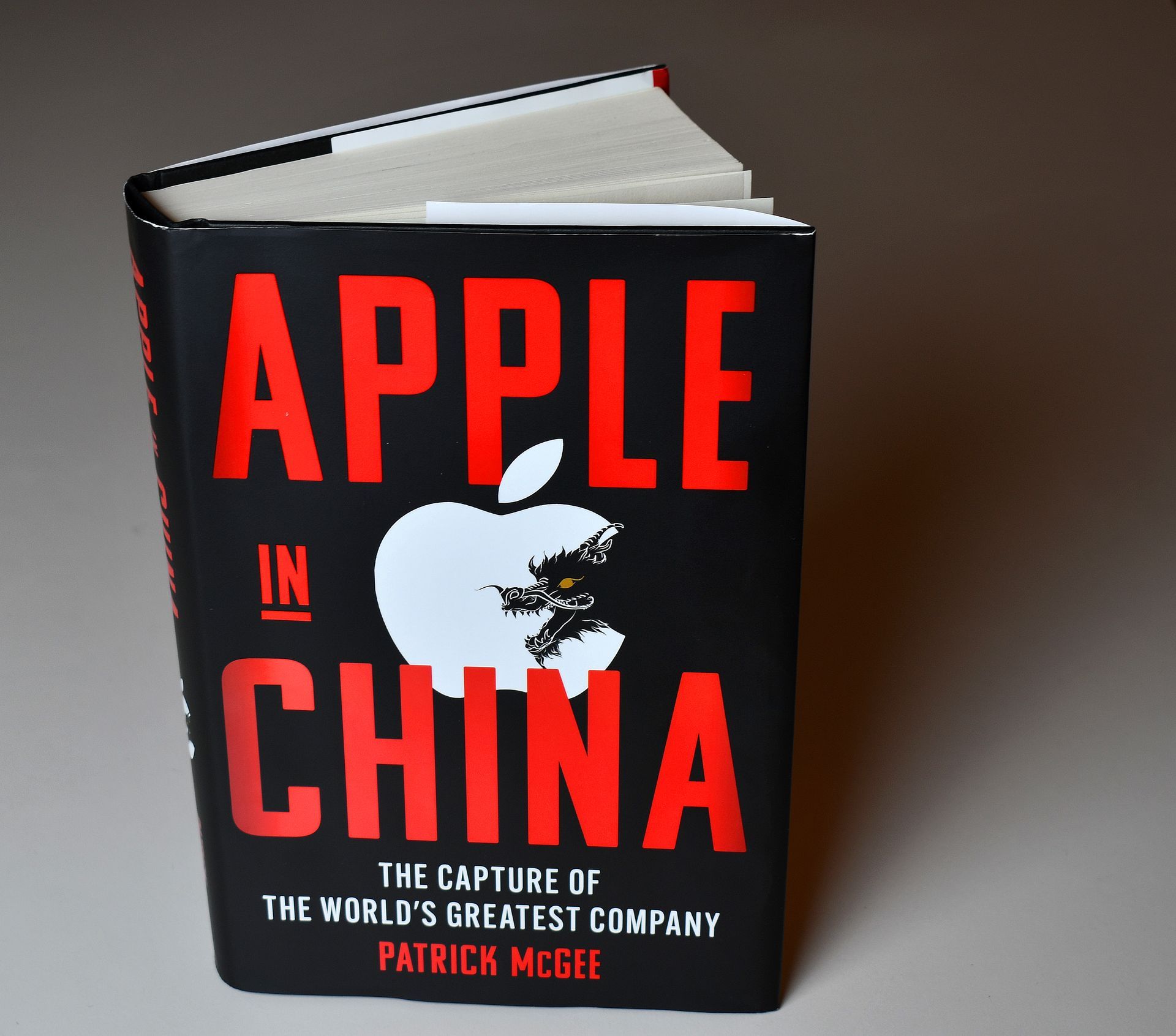
Patrick McGee’s new book, Apple in China — The Capture of the World’s Greatest Company is a powerhouse survey starting with Steve Job’s genius and compulsive pursuit of perfection, to the staggering acceleration of technology, the shifting fortunes of geopolitical commerce, and Tim Cook’s other-worldly ability to sell product and services to reap, literally, trillions of dollars.
But McGee’s meticulous examination of the opportunistic alliance between Communist China’s government — under “paramount leader” Xi Jingping — and Apple’s drive for worldwide tech dominance and money, is the real story. McGee, a reporter for the Financial Times, crafts a narrative that weaves together the development of Apple’s design brilliance, brand charisma, operational secrecy, and manufacturing innovation. According to McGee, the political/economic conflict Apple faces with China today is likely to be cataclysmic. Both Apple and the Chinese government are cautious but relentless in their struggle for control.
The book’s basic thesis is pretty simple: in the mid-80s, Steve Jobs reluctantly concedes that vertical integration — designing a product, manufacturing all its components, maintaining inventory, assembly and shipping — is too costly and outdated. Contract assembly by a third-party manufacturer is the future of electronics. Apple first outsources to Taiwan and Ireland, but finds that only China has sufficient cheap labor to scale their production output as their products become wildly popular, especially the iPhone.
Apple ends up hiring Foxconn, a Taiwanese company working in China. Playing the long game, Foxconn head Terry Gou offers Apple cut-rate costs, but insists that, in order to meet Apple’s exacting manufacturing standards, his line assemblers be trained directly by Apple engineers. This suits Apple’s ethos of total control. Chinese component suppliers do the same. The transfer of technological and manufacturing knowledge to China is the obvious result, and dovetails perfectly with Xi’s desire to rid China of any technological competitors sometime in the near future. Add to that the $55 billion Apple has poured into manufacturing facilities in China, yearly, for the past four years, and you wonder if Apple has perhaps inadvertently given away the farm.
Today, Apple needs to regain some equilibrium with China, but there’s no simple or immediate answer. China, with more than 200,000 Apple workers, manufactures more than 80% of Apple’s product line. Apple has transferred some production to India, but that country’s political and work cultures can’t meet Apple’s production demands and exacting standards. China knows Apple is looking to expand suppliers outside of the country, but should Apple begin to seriously impact China’s economy or labor force, they can, literally, turn out the lights on Apple. It’s an endless tightrope dance between the two entities. McGee’s Apple in China is as enlightening as it is frightening.
A final, revealing anecdote. Prior to the launch of Apple TV+, software and services head Eddy Cue issued just two directives to content partners: (1) no hard-core nudity; (2) avoid portraying China in a poor light.